Packing for a Ferry Journey: Keep Essentials Dry and Accessible
Pack around the way you will board and store luggage, with a small essentials bag and operator-specific checks for larger or unusual items.
A ferry packing list should solve two problems: moving safely through the journey and keeping the things you need accessible. Start with the luggage rules for your selected service, not an allowance remembered from a previous trip. Then separate the items you need during the crossing from the bags the crew may direct you to store elsewhere.
Check size, weight and unusual items first
Ask the operator about the allowance attached to your ticket, including any charges and how limits are measured. A large suitcase, stroller, bicycle, board or mobility aid can need different arrangements. Confirm acceptance before arriving at the pier, and repeat the check if your return service uses another company. Do not assume an airline baggage allowance applies to a boat.
Review the site's baggage policy alongside the selected operator's instructions. If they appear inconsistent, ask the seller to explain which conditions apply before paying. Avoid treating a general packing article as authorisation to bring an item.
Use a small essentials bag
- Booking confirmation and required identity documents.
- Phone, essential contacts and information saved offline.
- Personal items you need during the crossing.
- Water and suitable snacks where the service permits them.
- A light change of clothing and protection for valuables.
Keep this bag light enough to carry while following boarding instructions. Do not leave medication or important documents buried in a large bag that may be out of reach. Check any transport restrictions for batteries or specialist equipment with the operator rather than assuming they are unrestricted.
Protect against splashes without assuming everything stays dry
A closed, water-resistant pouch can provide extra protection for documents and electronics. Check its closure before travel and keep liquids separate from valuables. A bag marketed as waterproof is not a reason to leave equipment exposed or unattended. Follow crew instructions about where belongings may be placed, especially where they could obstruct a walkway or access to safety equipment.
Pack for carrying, not just for fitting
Consider how you will move between a vehicle, the check-in area and the boat. Wheeled luggage may still need lifting over steps or uneven surfaces. Reduce loose bags that require several trips and ask about assistance if you cannot handle the load yourself. If boarding involves a transfer or a beach arrangement, ask the provider what that means for luggage before the day of travel.
Label and collect deliberately
Use an identifying tag that helps you recognise the bag without displaying unnecessary personal information. A private photo of your suitcase can help describe it if it goes missing. At arrival, follow the crew's collection process and check that the bag is yours before leaving the pier. Report missing or damaged luggage promptly through the operator's stated process and retain your booking details and any relevant photos.
Frequently asked questions
Can my large bag always stay beside my seat?
No. Storage depends on the vessel and crew instructions. Keep only the permitted essentials with you.
Is one allowance valid for my whole island-hopping trip?
Not necessarily. Check every operator and segment, including separate road transfers. Ask through help if the rules for your selected Phuket–Phi Phi service are unclear.
Sources and scope
Reference pages checked on 1 November 2026: Operator luggage and special-item conditions. General planning guidance; confirm current conditions with the providers of your selected services. Operator examples do not set universal rules or replace your booking terms.
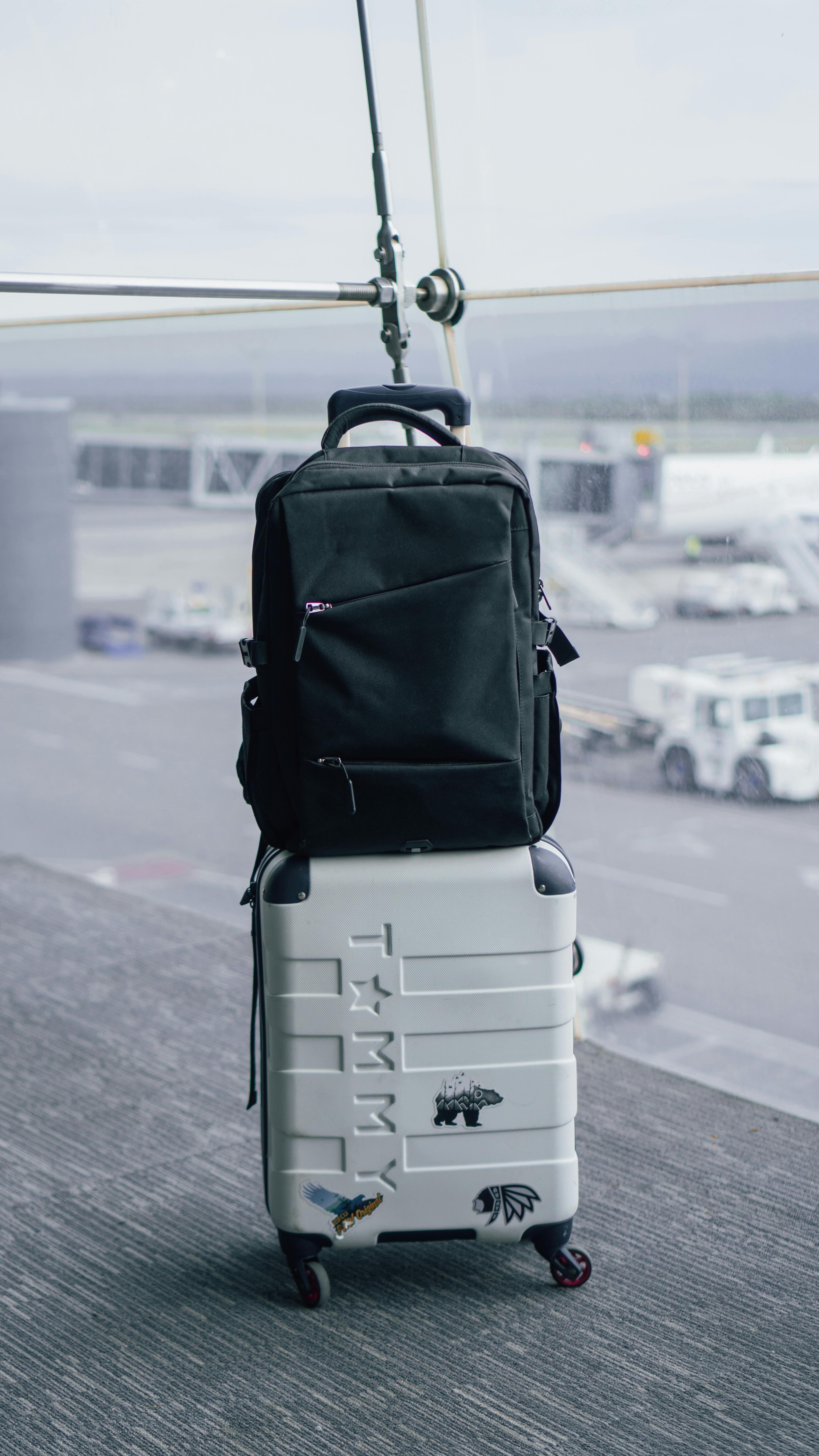
Illustrative cover photo, not a guarantee of the vessel, facilities or boarding point: Abdiel Hernandez Villegas / Pexels — Pexels License.